Lambeth Council Rules for Cleaning Waste in Clapham: A Practical Guide for Homes, Landlords and Businesses
If you are dealing with cleaning waste in Clapham, the rules can feel annoyingly specific at first glance. One minute you are clearing out a flat after a deep clean, the next you are wondering whether soiled cloths, mop water, broken tiles, paint tins, or a pile of builders' dust should go in the bin, a bag, or a licensed waste route. That is exactly where Lambeth council rules for cleaning waste in Clapham become important. Get them wrong and you risk fly-tipping problems, missed collections, unhappy neighbours, and in some cases avoidable costs.
This guide breaks the topic down in plain English. You will find the practical bits: what counts as cleaning waste, how to handle it safely, what good disposal usually looks like, what mistakes people make, and how to stay on the right side of local expectations without turning the whole job into a headache. To be fair, most people do not need legal jargon. They need clear steps and a bit of reassurance. That is what this is for.
- Why Lambeth council rules for cleaning waste in Clapham matters
- How the rules work in practice
- Key benefits and practical advantages
- Who this is for and when it makes sense
- Step-by-step guidance
- Expert tips for better results
- Common mistakes to avoid
- Tools, resources and recommendations
- Law, compliance, standards, or best practice
- Options, methods, or comparison table
- Case study or real-world example
- Practical checklist
- Conclusion
- Frequently asked questions
Why Lambeth council rules for cleaning waste in Clapham Matters
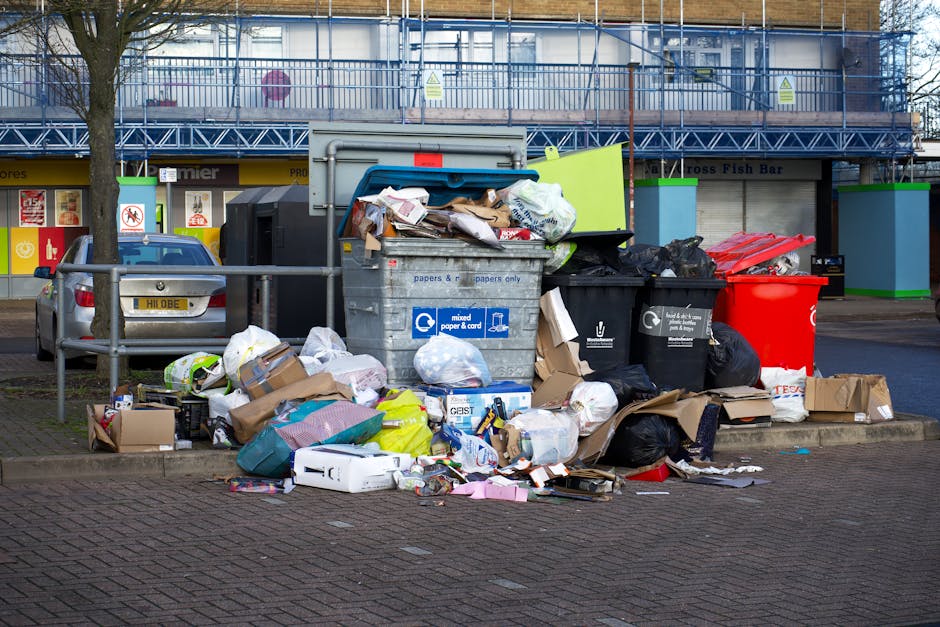
Cleaning waste is not just "rubbish". In a busy place like Clapham, where flats are tight, parking is scarce, and shared bins can fill up fast, waste from cleaning jobs can create friction very quickly. One overflowing bag, one wet carpet strip left by a communal bin, or one broken appliance placed out at the wrong time can turn into a complaint before lunch.
Lambeth council rules matter because they help keep waste under control across streets, estates, and commercial properties. They also give residents and businesses a baseline for what should happen to general rubbish, bulky items, and anything that may need specialist handling. If you are cleaning a home after a long tenancy, refreshing an office, or carrying out post-renovation work, the local rules are there to stop waste from ending up where it should not.
And there is a human side to this too. Nobody wants to come home to a stairwell that smells of dirty water and bleach, or to see bin bags split open on the pavement. In Clapham especially, where people notice what is happening outside their front door, tidy waste handling is part of being a good neighbour. Simple as that.
For property owners and tenants, it also protects deposits, reduces disputes, and avoids the kind of last-minute scramble that happens when someone says, "we'll just leave it by the curb and hope for the best." Let's face it, hoping for the best is not a waste strategy.
How Lambeth council rules for cleaning waste in Clapham Works
The basics are usually straightforward: separate waste properly, keep it contained, and dispose of it through the right route. What changes is the type of waste involved. General domestic waste is one thing. Wet cleaning residue, bulky clear-out items, and construction-related debris are another.
In practical terms, most cleaning jobs create one or more of these waste streams:
- General bagged waste such as packaging, wipes, disposable cloths, dust, and small non-recyclable items.
- Recyclable waste such as clean cardboard, bottles, or uncontaminated plastic packaging.
- Bulky waste such as broken furniture, mattresses, old appliances, or stripped carpet.
- Builders' waste such as plaster, tiles, wood offcuts, and heavy dust from renovation or after-build work.
- Potentially hazardous waste such as strong chemicals, solvent containers, asbestos-related materials, or contaminated items.
The key is to treat each type differently. You would not, for example, mix old paint tins with everyday rubbish and call it done. Likewise, mop water should not be tipped somewhere that creates a slip hazard or blocks a drain. A decent cleaner or property manager will always think in categories, not just in bags.
If you are hiring help, this is where a proper cleaning company can make life easier because experienced teams usually know how to separate waste, protect surfaces, and avoid accidental non-compliance. For one-off jobs, one-off cleaning can work well when the waste volume is modest and the property just needs a reset. For bigger jobs, you may need a broader plan.
The practical reality is that local rules, building rules, and contract rules often overlap. A landlord may have one expectation, a managing agent another, and the council a third. So you want a process that satisfies all three. Not glamorous, but very effective.
Key Benefits and Practical Advantages
Following the right waste-cleaning approach is not only about avoiding trouble. It genuinely makes the job smoother.
- Cleaner shared spaces: Hallways, bin stores, and pavements stay tidier for everyone.
- Fewer complaints: Neighbours are less likely to report smells, spillages, or overflowing bags.
- Better finish quality: A properly cleaned property looks and feels finished, not half-done.
- Lower risk of fines or enforcement issues: You reduce the chance of waste being treated as abandoned or improperly placed.
- Less stress at handover: Especially useful for end-of-tenancy or sale preparations.
- Safer working environment: Proper waste handling cuts slip, cut, and contamination risks.
There is also a commercial upside. For landlords and letting agents, tidy waste handling supports quicker re-letting. For offices, it keeps the workplace looking professional. For homeowners, it saves the awkward "why is there a bin bag in the front garden?" conversation. Yes, that conversation happens more often than anyone admits.
If you are trying to budget the job, it can help to compare different cleaning approaches and the likely waste burden. You can review general service information and planning support on pricing and quotes, especially when the waste is part of a larger clean and not a standalone issue.
Who This Is For and When It Makes Sense
This topic matters to more people than you might think. A lot of Clapham residents run into waste issues after what seems like a simple job.
- Tenants finishing a move-out clean and wondering what to do with leftover clutter, broken items, or cleaning residue.
- Landlords dealing with end-of-tenancy clear-outs, damaged furniture, or abandoned belongings.
- Homeowners after a deep seasonal clean, kitchen refresh, or garden-to-garage sort-out.
- Office managers handling old fixtures, packaging, or post-fit-out waste in a shared building.
- Builders and property teams cleaning up after renovations, repairs, or decorating work.
- Letting agents who need the property presentable and waste-free before viewings or check-in.
It also makes sense if the waste is mixed, awkward, or heavy. For example, a room-cleaning project might create paper waste, dirty cloths, and a small pile of damaged shelving. That is manageable. But once you add stripped flooring, plaster dust, and a mattress, you are in a different category altogether.
In our experience, people wait too long before deciding whether the waste is "just a tidy-up" or "needs proper removal". That delay is where the mess tends to grow. If you have any doubt, treat it as a bigger job early rather than a smaller job late. You will almost always thank yourself.
Step-by-Step Guidance
If you want a practical way to handle cleaning waste in Clapham, use this sequence. It keeps things simple and helps you avoid the usual mistakes.
- Identify the waste type. Separate general rubbish, recyclable material, bulky items, and anything hazardous.
- Check the property rules. Communal blocks, managed estates, and rented properties can have their own instructions.
- Bag and contain properly. Use strong bags, seal loose debris, and avoid overfilling.
- Keep liquids controlled. Never leave mop water, chemical residue, or soaked materials where they can leak.
- Do not block access routes. Stairs, exits, and pavements should stay clear.
- Arrange the right disposal method. Standard bin collection, bulky waste collection, or specialist removal may each suit different waste streams.
- Document anything unusual. Photos are useful for landlords, agents, and tenancy records if there is a dispute later.
A realistic example: you finish a deep clean on a small Clapham flat and have a bag of general waste, a pile of cardboard, and an old broken chair from the bedroom. The right move is not one mixed heap outside the entrance. The right move is to separate what can go in routine waste, keep the chair for bulky disposal, and make sure the cardboard is clean enough to recycle. Small effort. Big difference.
If the job is bigger than expected, a service such as end-of-tenancy cleaning can be especially useful because it often combines detailed cleaning with the practical realities of waste left behind by previous occupants. For heavier post-refurbishment mess, after-builders cleaning is often the better fit.
Expert Tips for Better Results
These are the small things that make a waste-cleaning job feel controlled rather than chaotic.
- Work from clean to dirty. It sounds obvious, but once you move waste too early, you end up tracking dust and debris back into the clean areas.
- Label waste zones. If several people are involved, mark one area for recyclables, another for general waste, and another for bulk items.
- Protect common areas. Use dust sheets, floor protection, and sensible lifting routes in stairwells and hallways.
- Do a final sweep for micro-waste. Little bits matter: screws, cable ties, plaster crumbs, bits of tape. They always seem to hide under radiators.
- Keep cleaning fluids separate. Chemical containers and leftover solution should never be treated like kitchen waste.
- Think about timing. In shared buildings, avoid waste movement when the entrance is busiest. Mid-morning or early afternoon can be less awkward than peak commuting hours.
If you want a cleaner finish after waste has been removed, pairing the job with deep cleaning can make sense. It helps remove the dusty edge that often remains after clearance, especially around skirting boards, window tracks, and corners you only notice when the sunlight comes in at an angle.
And yes, sometimes the simplest tip is the best one: do one more bag. Not three, not ten. Just one more round through the rooms. It catches a surprising amount.
Common Mistakes to Avoid
Most waste problems in Clapham are not dramatic. They are small, repeated habits that slowly create trouble.
- Mixing waste types. Recyclables, general rubbish, and building debris should not be thrown together unless you have no alternative and understand the impact.
- Leaving waste outside too early. Bags placed too soon can be torn, moved, or complained about.
- Overfilling bin bags. Split bags are a pain to clean up and often lead to spills on steps or pavements.
- Ignoring communal rules. Shared blocks often have stricter expectations than single houses.
- Assuming everything can go in the household bin. Bulky or specialist items usually need a different solution.
- Forgetting contamination. Food, grease, paint, chemicals, and wet residue can stop otherwise recyclable material from being accepted.
One of the most common mistakes is treating cleaning waste as if it were all the same. It is not. A box of broken tiles is not the same as a bag of wipedown cloths, and neither is the same as old carpet underlay. That distinction matters more than people think.
For homes with a lot of clutter as part of the job, house clearance can be a better route than trying to make a standard cleaning visit do everything. Same with office spaces: if the problem is more than surface cleaning, a dedicated office cleaning plan may need to be paired with separate waste removal.
Tools, Resources and Recommendations
You do not need a van full of specialist kit for every job, but the right tools make waste handling much easier.
- Heavy-duty bin bags for dust, cloths, and mixed light waste.
- Dust sheets and floor runners to keep communal areas clean.
- Gloves and basic PPE for handling unknown or sharp waste.
- Sturdy boxes or crates for loose recyclables and sharp items.
- Labels or tape to separate waste categories in larger jobs.
- Safe cleaning products used sparingly and stored away from disposal bags.
For property owners who want a more organised, low-stress approach, working with a reliable team helps. A good cleaner or cleaning crew should know how to respect the property, handle debris sensibly, and leave the place ready for the next stage. If the work is ongoing, cleaners can support recurring upkeep, while domestic cleaning suits routine household maintenance rather than heavy waste situations.
For hard surfaces after debris is cleared, hard floor cleaning is worth considering because grit and dust love to settle into corners, grout, and floor edges. It is a bit tedious, yes, but the result is usually worth it.
And if you are dealing with fabric waste, bagging old covers or cushions from a refurbishment, services like sofa cleaning, upholstery cleaning, or rug cleaning can help restore items that do not need to be thrown away at all. Sometimes the cheapest waste solution is not disposing of the item.
Law, Compliance, Standards, or Best Practice
Because waste handling can overlap with environmental and public-health duties, it is wise to treat it carefully. In the UK, the general principles are familiar even if the wording changes: waste should be stored safely, kept from causing nuisance, and passed to the correct disposal route. For businesses, the duty of care around waste is especially relevant, but homeowners should still follow sensible disposal standards.
For Clapham residents, the practical takeaway is simple:
- Do not leave waste where it can obstruct pavements, entrances, or shared access.
- Keep rubbish contained so it does not spread, leak, or attract pests.
- Use a suitable route for bulky, hazardous, or construction-type waste.
- Keep records where there is a landlord, agent, contractor, or waste carrier involved.
If you are hiring someone to manage the job, trustworthiness matters. It is worth checking a company's process around safety, security, and responsible handling. Pages such as health and safety policy, insurance and safety, and recycling and sustainability can give useful reassurance about how a business thinks, not just what it sells.
For a business relationship, the boring documents matter too. A clear terms and conditions page, straightforward payment and security information, and a transparent privacy policy are all signs of a company that takes process seriously. Not exciting. Very useful.
Options, Methods, or Comparison Table
There is no one perfect method for every job. The right choice depends on the amount of waste, the type of property, and how quickly the space needs to be usable again.
| Method | Best for | Pros | Limitations |
|---|---|---|---|
| Standard household disposal | Small volumes of general cleaning waste | Simple, low effort, usually cost-effective | Not suitable for bulky, hazardous, or heavy debris |
| Recycling separation | Clean cardboard, bottles, and uncontaminated packaging | Reduces landfill waste and keeps the job tidy | Contaminated material may no longer qualify |
| Bulky waste arrangement | Furniture, mattresses, old appliances, broken fittings | Handles awkward items properly | Needs planning and may involve lead time |
| House clearance | Cluttered homes, end-of-tenancy clear-outs, larger moves | Efficient when waste volume is high | Overkill for a small tidy-up |
| After-builders clean | Dust, rubble, renovation residue | Better for post-refurbishment mess and fine debris | May still require a separate waste carrier or collection |
In simple terms, if the waste is light and ordinary, routine disposal may be enough. If it is bulky or mixed, step up the method. If it is renovation-related, treat it as a specialist clean. That logic saves time and prevents that awkward half-solved mess where no one is happy.
Case Study or Real-World Example
Imagine a two-bedroom flat in Clapham after a tenancy ends. The property itself is not in bad shape, but there is a mix of cleaning waste: food packaging from the final move-out day, a broken bedside table, a bag of dust and wipes from the bathroom, some old curtain linings, and a pile of flat-pack cardboard in the living room.
At first glance, it looks manageable. But once you start sorting, it becomes clear that not everything belongs in the same place. The cardboard can be separated if it is clean enough. The dust and wipes go as general waste. The bedside table needs bulky handling. The curtain linings may or may not be suitable for recycling depending on contamination. And if the hallway is narrow, the removal route needs protecting so the communal carpet is not marked up.
What usually helps most in this kind of job is planning the waste before the final clean begins. That means bagging the obvious rubbish, creating a separate pile for bulky items, and cleaning the room in stages. It sounds almost too simple, but it works. Once the waste is out, the property can be finished properly instead of looking half-prepared. A final pass with window cleaning or detailed surface work can then lift the whole space. You notice the difference immediately.
That is the real lesson: waste management is not an extra chore. It is part of the finish.
Practical Checklist
Use this checklist before, during, or after any cleaning job that creates waste in Clapham.
- Separate general waste, recyclables, bulky items, and any hazardous materials.
- Use strong bags and seal loose debris before moving it.
- Keep liquid waste and chemical residue controlled at all times.
- Do not block communal access, fire exits, or shared walkways.
- Check whether the building or landlord has specific disposal instructions.
- Remove dust and crumbs from corners before the final waste sweep.
- Take photos if the waste relates to tenancy, damage, or contractor work.
- Use a bulky waste or clearance route for items that do not belong in regular bins.
- Keep paperwork or service details where a third party is involved.
- Do a final walk-through to catch small items you missed the first time.
If the job has more than one moving part, it may be worth using a more complete service plan rather than trying to improvise. A bit of structure now usually saves a bigger problem later.
Conclusion
Lambeth council rules for cleaning waste in Clapham are really about common sense, done properly. Separate waste, keep it contained, respect shared spaces, and choose the right disposal route for the job in front of you. Once you get that rhythm, the whole process becomes much less stressful.
For tenants, landlords, homeowners, and businesses, the real win is not just avoiding problems. It is finishing the job cleanly, quietly, and with fewer surprises. In a place like Clapham, where properties are close together and people notice the details, that matters. A lot.
Get a free quote today and see how much you can save.
And if you are still weighing up your options, start with a clean plan, a clear bin strategy, and a steady approach. It is rarely the flashiest solution, but it is usually the one that leaves everyone breathing easier.
Frequently Asked Questions
What counts as cleaning waste in Clapham?
Cleaning waste usually includes dust, wipes, packaging, old cloths, removed fittings, broken household items, and sometimes bulky or construction-related debris. The exact category matters because different types need different handling.
Can I put cleaning waste in the normal bin?
Small amounts of general waste often can, but bulky items, hazardous materials, and renovation debris usually should not. If the waste is mixed or heavy, it is better to separate it first and choose the right disposal route.
What should I do with cleaning waste after an end-of-tenancy clean?
Sort the waste into general rubbish, recyclables, and anything bulky or left behind. If the property has accumulated more than normal household waste, a dedicated clearance or end-of-tenancy approach is usually more sensible.
Are cleaning chemicals treated as waste?
Yes, leftover chemicals and their containers need careful handling. Do not pour them into drains or mix them casually with other rubbish. Always check that they are safely stored and disposed of in a suitable way.
Do I need special help for builders' dust and rubble?
Often, yes. Builders' dust, plaster, tiles, and offcuts are different from ordinary household waste. An after-builders clean can help with the cleaning side, but larger waste may still need separate removal planning.
How can landlords reduce waste problems at move-out?
Set clear expectations early, inspect the property before the final day, and make sure tenants know what should be removed. A practical checklist and good communication save a lot of awkwardness later.
Is recycling always possible with cleaning waste?
Not always. Once items are contaminated with food, cleaning products, grease, or heavy dust, they may no longer be recyclable. Clean, separate materials are much more likely to be accepted.
What is the safest way to move waste through a shared building?
Use sealed bags, protect floors, keep access routes clear, and move waste at quieter times if possible. One bag splitting on the stairs can create more mess than people expect, so strong packaging matters.
When should I choose house clearance instead of regular cleaning?
If the property contains lots of unwanted items, mixed waste, or furniture that needs removing, house clearance is usually the better fit. Regular cleaning is better for surface dirt and routine mess, not major clutter.
Can a cleaning company help with waste management too?
Yes, many can support the cleaning side and help organise the waste process sensibly, especially on larger jobs. It is worth asking upfront how they handle waste separation, bagging, and any items that need special attention.
How do I know if the waste is too much for a standard clean?
If you are repeatedly stopping to move bags, sort items, or protect access routes, the job is probably bigger than a standard clean. That is usually the point where a more structured service becomes worthwhile.
What is the biggest mistake people make with cleaning waste?
The biggest mistake is mixing everything together and assuming it will sort itself out later. It rarely does. Separate waste early, and the rest of the job gets much easier.
Where can I learn more about company standards and service expectations?
Useful pages to review include health and safety, insurance, sustainability, terms and conditions, and pricing information. Those pages help you judge whether a provider is organised, careful, and clear about how they work.