Health and Safety Policy for Oven Cleaning Clapham
 This health and safety policy sets out the standards and working practices followed during oven cleaning in Clapham. It is designed to protect customers, workers, property, and the environment by reducing avoidable risks and ensuring every task is completed with care. The approach taken by oven cleaners is based on planning, safe handling, and consistent attention to detail.
The purpose of this policy is to make sure that every oven cleaning service is carried out in a controlled and responsible way. Professional operatives are expected to assess the condition of the appliance, identify hazards, and use appropriate methods for the type of oven being cleaned. This includes careful use of products, correct ventilation, and safe movement around the workspace.
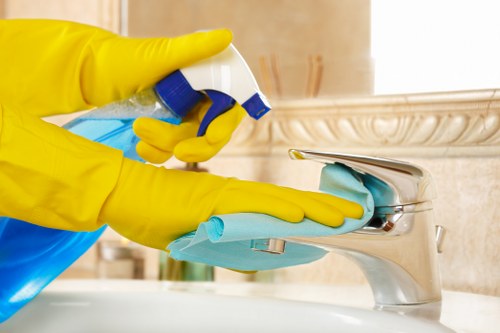 Oven cleaning can involve exposure to hot surfaces, grease, sharp edges, electrical parts, and cleaning chemicals. For that reason, the policy requires that all oven cleaning specialists work with suitable personal protective equipment, follow manufacturer guidance where relevant, and avoid any action that could damage the appliance or create unnecessary risk. A safe working method protects both the technician and the household environment.
Before any work begins, the area should be inspected to identify potential hazards such as unstable flooring, cluttered surroundings, poor lighting, or limited access. The cleaner must ensure that the oven is cool before treatment starts, power supplies are isolated where necessary, and surrounding surfaces are protected from splashes or residue. Good preparation is a core part of safe oven cleaning.
Cleaning products must be chosen carefully and used only as intended. Strong degreasers, foaming agents, and specialist solutions should be handled with gloves and, where needed, eye protection. Never mix products unless the manufacturer specifically states that doing so is safe. Any spill should be cleaned promptly to reduce the risk of slips, irritation, or damage to nearby materials. Proper storage is also essential, especially where children or pets may be present.
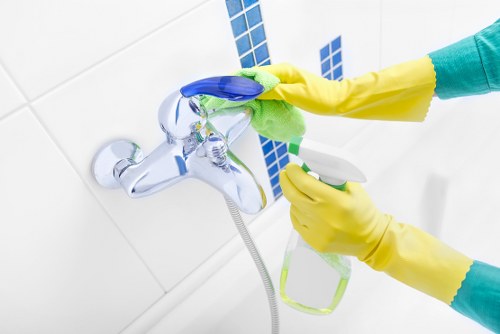 At the middle stage of the job, attention should remain focused on hygiene, ventilation, and safe technique. Extraction fans or open windows may be used to improve airflow when suitable, particularly if products produce fumes. Internal components, racks, trays, and seals should be handled gently to avoid breakage. The oven cleaner should also avoid over-wetting electrical areas or forcing tools into tight spaces.
The policy also covers manual handling. Although many oven parts are relatively small, repeated lifting, twisting, and reaching can still cause strain if poor posture is used. Technicians should adopt steady movements, carry items close to the body, and request assistance where a component is awkward or unusually heavy. Safe manual handling reduces the chance of injury and supports reliable work practices.
In addition, the cleaning process must respect the condition and age of the appliance. Delicate coatings, self-cleaning linings, glass panels, and seals require special care. Aggressive scrubbing, abrasive pads, or unsuitable chemicals may cause lasting damage. A professional oven cleaner should always choose methods that balance effectiveness with protection, particularly when working on high-value or older appliances.
All operatives are expected to remain alert throughout the task and to stop immediately if they notice a hazard, leak, unusual smell, electrical fault, or signs of overheating. Any such issue should be reported and the work paused until it is safe to continue. This responsible approach helps maintain a high standard of oven cleaning safety while limiting the possibility of escalation.
 Waste disposal is another important part of the policy. Used cloths, grease residues, empty containers, and disposable protective items should be collected and removed in a tidy manner. Waste must not be left where it can cause contamination or slip hazards. Surfaces should be wiped down so that the appliance and surrounding area are left clean, dry, and safe for normal use.
The policy further requires a professional attitude towards communication and conduct. If a customer has concerns about allergies, sensitivities, fragile fittings, or access restrictions, these should be considered before work begins. Clear explanation of the planned procedure helps maintain trust and supports safe delivery of the oven cleaning service. Respectful behaviour and careful working practices are essential at every stage.
Training and supervision support the consistent application of this policy. Staff should understand product labels, safety symbols, basic first aid awareness, emergency procedures, and the correct use of tools and protective equipment. Regular review of working methods ensures that professional oven cleaning remains both effective and safe as products, equipment, and service requirements change over time.
Finally, this policy is intended to promote a culture of prevention, responsibility, and quality in every oven cleaning Clapham task. Safety is not treated as an afterthought; it is built into preparation, execution, and cleanup. By following these standards, the service can deliver thorough results while protecting people, appliances, and living spaces.
 Where issues are identified, corrective action should be taken without delay. This may include changing the cleaning method, improving ventilation, replacing damaged equipment, or pausing work until conditions are safe. A careful and measured approach reflects the standards expected from a reliable oven cleaning company and supports long-term safe practice.
The aim of this policy is simple: to ensure that every oven is cleaned efficiently, responsibly, and with full regard for health and safety. Through preparation, suitable equipment, proper product use, and professional judgement, oven cleaning specialists can provide a dependable service that protects both property and wellbeing.